Exploring the Factors Behind an Unbalanced Scalp
The health of your scalp is crucial for maintaining strong, vibrant hair. However, many people experience scalp imbalance without realizing it. This condition can lead to various issues like dryness, oiliness, and dandruff. Understanding the causes is the first step toward addressing these problems effectively. In this guide, we’ll explore the factors that contribute to scalp imbalance and offer insights into how you can achieve a healthier scalp.
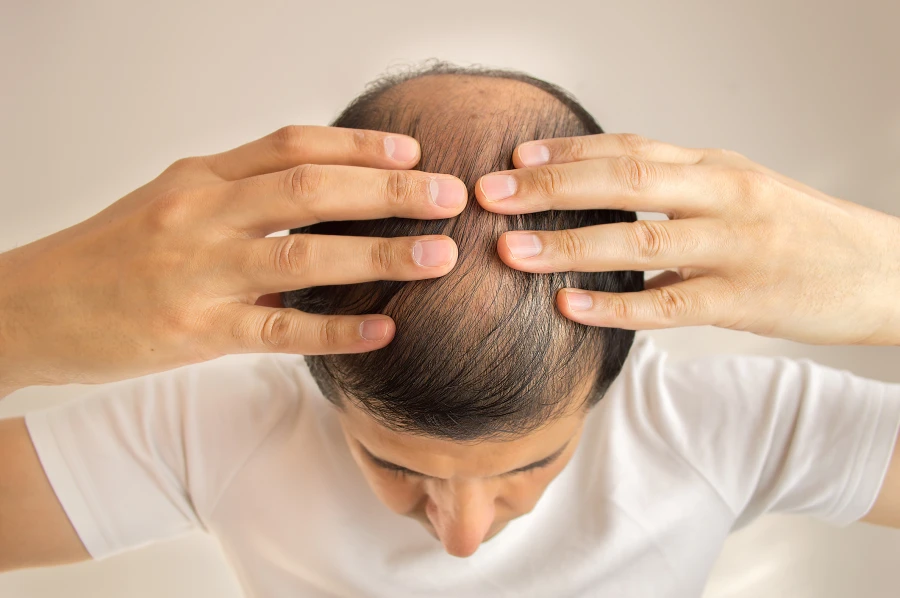
The Role of Sebum in Scalp Health
Sebum is a natural oil produced by the sebaceous glands on your scalp. It plays a vital role in keeping your scalp moisturized and protecting your hair. However, when sebum production becomes excessive or insufficient, it can lead to an imbalance. Too much sebum results in an oily scalp, while too little leads to dryness and irritation.
Impact of Environmental Factors
Environmental factors such as pollution, climate, and exposure to harsh chemicals can significantly impact scalp health. Pollutants can clog hair follicles, leading to irritation and imbalance. Furthermore, extreme weather conditions like heat or cold can strip moisture from your scalp, exacerbating dryness or oiliness. Using a targeted scalp treatment can help mitigate these effects by restoring balance and nourishing your scalp.
Importance of Proper Hair Care
Your daily hair care routine greatly influences the condition of your scalp. Using the wrong products or washing your hair too frequently can disturb its natural balance. For instance, harsh shampoos may remove essential oils, leaving your scalp dry and flaky. Conversely, not cleansing enough can cause oil build-up. Opting for a tailored scalp treatment helps maintain this delicate balance by providing necessary nutrients and hydration.
The Connection Between Diet and Scalp Health
What you eat affects more than just your waistline; it also impacts your scalp’s health. A diet lacking essential vitamins and minerals can contribute to an unhealthy scalp environment. Nutrients such as omega-3 fatty acids, zinc, and vitamin E are vital for maintaining a balanced scalp. Incorporating these into your diet supports overall skin health, including your scalp.
Recognizing Symptoms of Imbalance
An imbalanced scalp often shows symptoms like itching, redness, or flaking. Recognizing these early signs can prevent further complications. Regularly monitoring your scalp’s condition allows you to make timely adjustments to your hair care routine, ensuring it remains healthy and balanced.
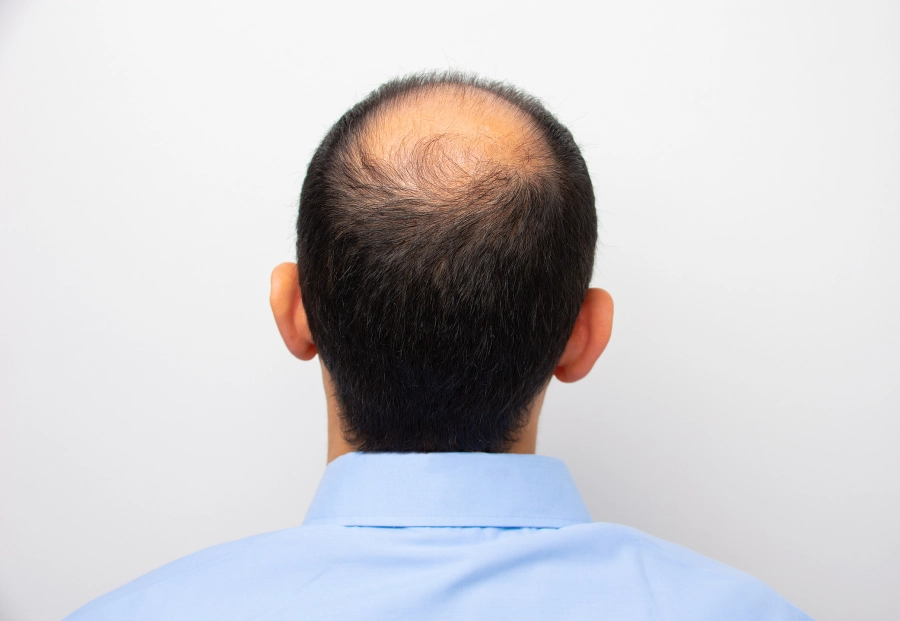
Steps to Achieve a Balanced Scalp
Maintaining a balanced scalp involves a few simple steps:
- Choose gentle hair care products suitable for your scalp type.
- Avoid over-washing or under-washing your hair.
- Incorporate a nutrient-rich diet to support scalp health.
- Use protective measures against environmental damage.
- Consult a dermatologist if persistent issues occur.
Effective Home Remedies for Scalp Balance
If you’re looking for natural ways to balance your scalp at home, consider trying some effective remedies. Coconut oil offers deep hydration for dry scalps, while apple cider vinegar acts as a gentle cleanser for oily ones. These methods provide excellent options for those seeking alternative solutions alongside professional treatments.
Contact Us for Expert Advice
For personalized advice on maintaining a healthy scalp, reach out to us at (216) 316-8455. Our team is based in Cleveland Heights, OH and ready to assist with expert guidance tailored to your needs. At Lenora's Healthy Hair Clinic and Spa, we specialize in comprehensive hair and scalp care solutions designed to restore balance and promote overall well-being.